The Simple Truth About Hot Tubs
Let's make this dead obvious. No fancy words. No technical jargon. Just the simple truth about why most hot tubs are a bad deal, and why ours makes sense.
The Cardboard Umbrella Problem (The Cover)
What Everyone Else Does:
Imagine you need an umbrella for a rainstorm. Someone offers you an umbrella made of cardboard. They tell you it’s the best cardboard umbrella money can buy. It has special coatings and fancy features.
But here’s the thing: it’s still cardboard. The first time it rains, it’s going to get wet, heavy, and fall apart. Then you have to buy another cardboard umbrella. And another. And another.
That’s exactly what a foam hot tub cover is. It’s a cardboard umbrella.
What We Do:
We give you a HDPE umbrella. It can’t absorb water. It will never get heavy. It will never fall apart. It’s the last umbrella you’ll ever need.
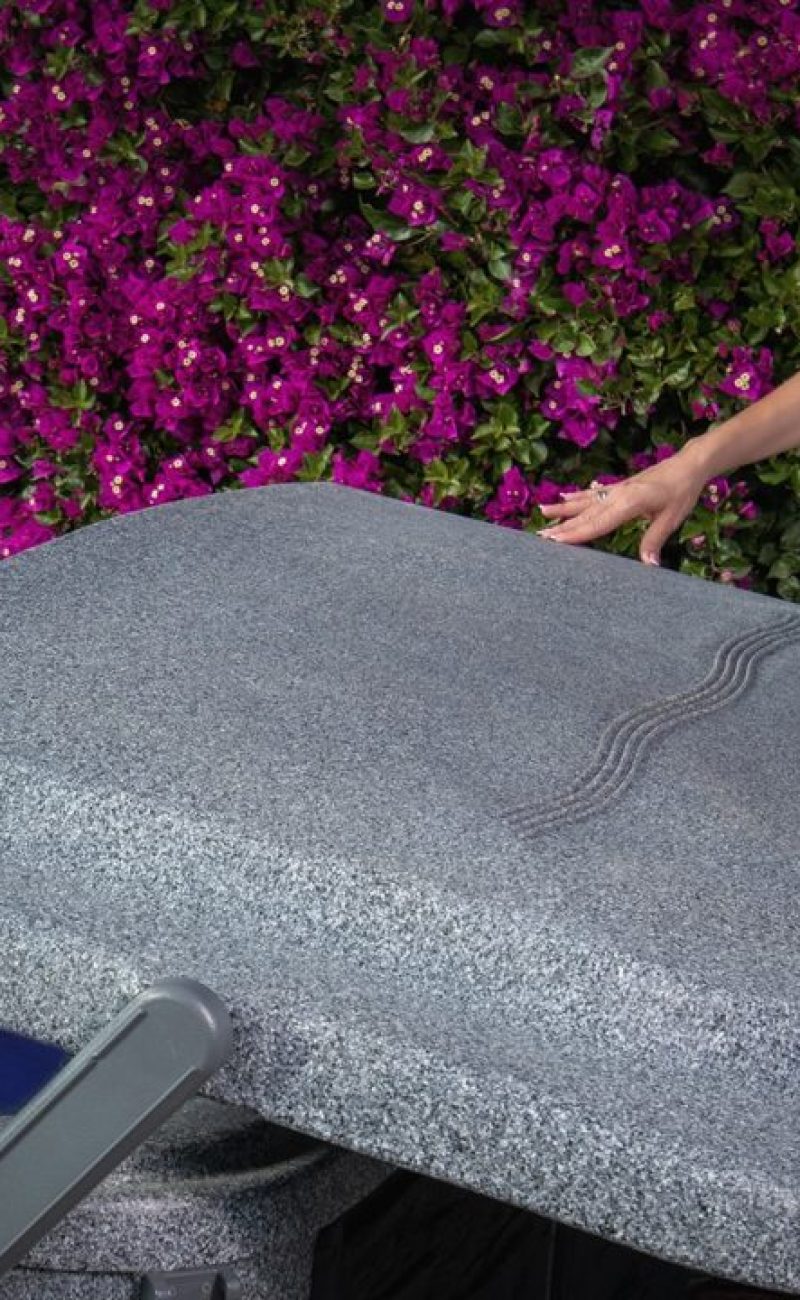
Our hard cover is solid. Water can’t get inside it. It will work perfectly for the entire life of your spa. One cover. Forever.
Why This Matters:
When their foam cover gets waterlogged, all the heat from the hot tub escapes into the air. Your electricity bill goes up. You’re paying to heat the outside air. That’s insane.
Our cover keeps the heat locked in, so your electricity bill stays low.
The Sponge vs. The Smooth Surface (The Shell)
What Everyone Else Does:
Traditional hot tubs are made from acrylic or fiberglass. These materials are porous. That means they have tiny little holes in them, like a sponge.
Bacteria loves to hide in those tiny holes. Once bacteria gets in there, it’s almost impossible to get out. That’s why you have to dump tons of harsh chemicals into the water every week to try to kill it.
But here’s the problem: the bacteria is living IN the shell. The chemicals can’t reach it. So you’re fighting a battle you can never win.
What We Do:
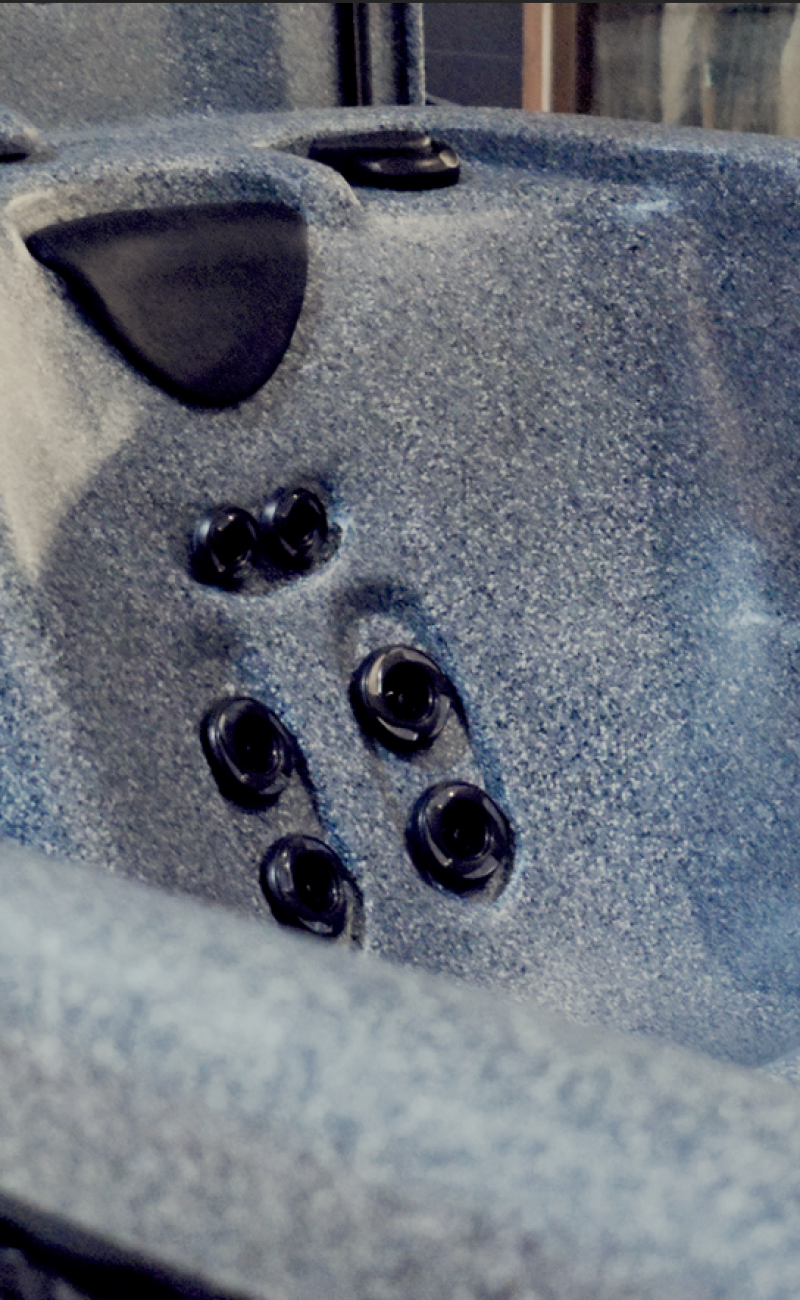
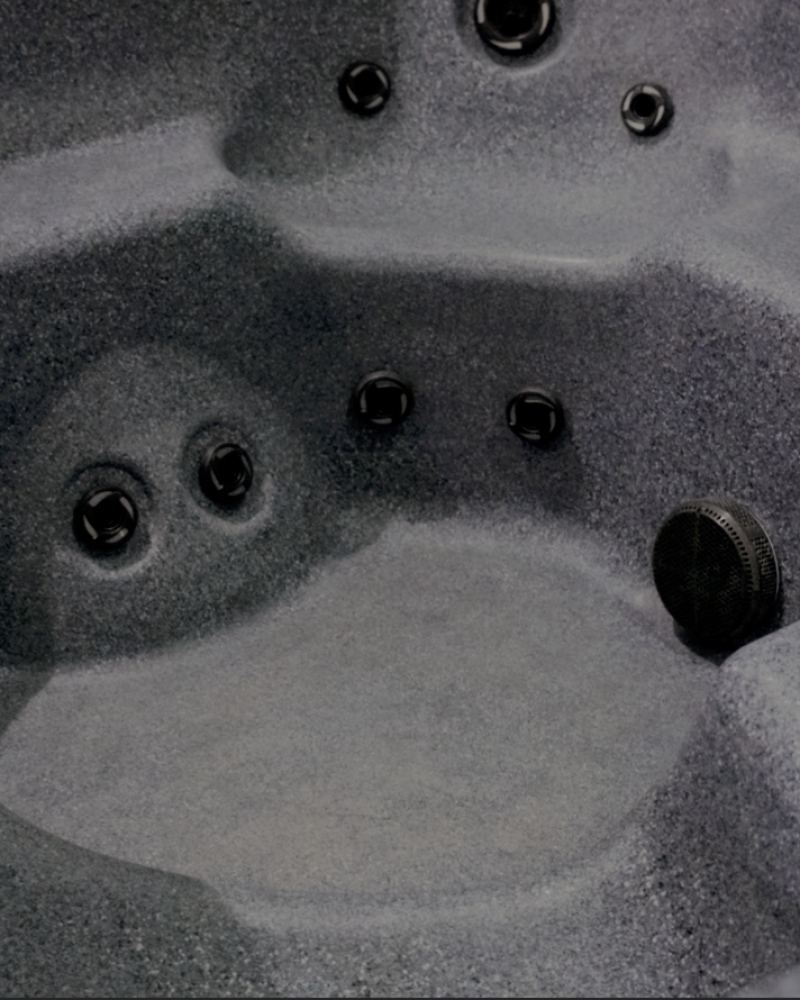
We make our hot tubs from something called HDPE (High-Density Polyethylene).
It’s completely smooth and non-porous. There are no tiny holes. Bacteria has nowhere to hide. The surface is so smooth that bacteria just slides right off.
Why This Matters:
Because bacteria can’t hide in our shell, you need way less chemicals. The water stays cleaner naturally. Your skin doesn’t get irritated. Your eyes don’t turn red. It’s just better.
The Knife and the Sharpener (The Ozone System)
What Everyone Else Does:
A lot of hot tub companies say they have ozone. Ozone is nature’s way of killing bacteria. It’s incredibly powerful.
But here’s the problem: just having an ozone generator is like having a knife with no way to sharpen it. Sure, you have the knife, but if it’s dull, it’s useless.
Their ozone systems don’t work because:
•Their shells are accepting bacteria faster than the ozone can kill it
•Their filters are too small and get clogged
•Their water doesn’t circulate properly, so the ozone never reaches all the water
It’s a knife that can’t cut.
What We Do:
We have the knife AND the sharpener.
Our system works because:
1.Our smooth HDPE shell doesn’t breed bacteria in the first place (less work for the ozone)
2.We have huge filters that catch all the dirt and debris before the water gets to the ozone
3.We move the water through the system quickly and efficiently
4.Then the ozone does its job: killing any remaining bacteria instantly
It’s a complete system that actually works.
Why This Matters:
Our ozone system is thousands of times more effective than chlorine at killing bacteria. And it leaves behind nothing but pure oxygen. No chemical smell. No irritation. Just clean, clear water.
The Thermos (How We Keep Heat In)
What Everyone Else Does:
Think about a thermos that keeps your hot chocolate warm. To work properly, it needs two things:
1.A well-insulated body
2.A tight-sealing lid
Traditional hot tubs are like a thermos with a leaky lid and thin walls. The heat escapes from everywhere.
Their foam covers absorb water and stop insulating. Their thin shells don’t hold heat well. Their heater has to run constantly just to keep the water warm.
What We Do:
We built the complete thermos.
Our HDPE shell is thick and insulated. It holds heat incredibly well. And our solid hard cover seals it perfectly, like tightening the lid on a thermos.
The heat stays in the water where it belongs.
Why This Matters:
When the heat stays in, your heater doesn’t have to work as hard. Your electricity bill is dramatically lower. You’re not wasting money heating the outside air.
One Solid Piece (The Unibody Construction)
What Everyone Else Does:
Traditional hot tubs are built from lots of separate pieces:
•The shell
•The frame
•The panels
•The plumbing
•All glued and screwed together
Every joint, every seam, every connection is a weak point. Things can crack. Things can leak. Things can break.
It’s like building a house out of cardboard boxes stacked on top of each other. Eventually, something’s going to give.
What We Do:
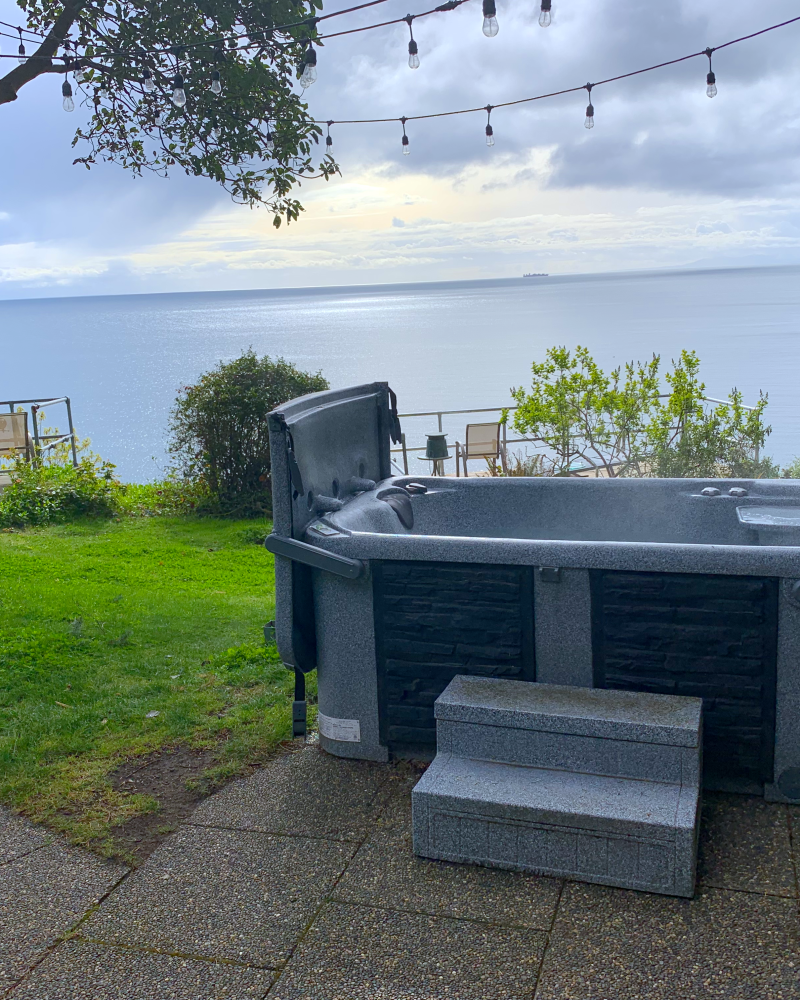
Our hot tub is one solid piece. The entire shell is molded as a single unit. No seams. No joints. No weak points.
Think of it like carving a bowl out of a single piece of wood versus gluing lots of little pieces together. Which one is stronger?
Why This Matters:
Because it’s one solid piece:
•It can’t crack or separate
•Rodents can’t get inside (no gaps or cavities)
•It’s incredibly strong and durable
•We can guarantee it for a lifetime
The Clamp System (How We Hold It Together)
What Everyone Else Does:
Traditional hot tubs use screws, bolts, and clips to hold the panels and cover on. Over time, these loosen. The panels start to rattle. Things fall apart.
What We Do:
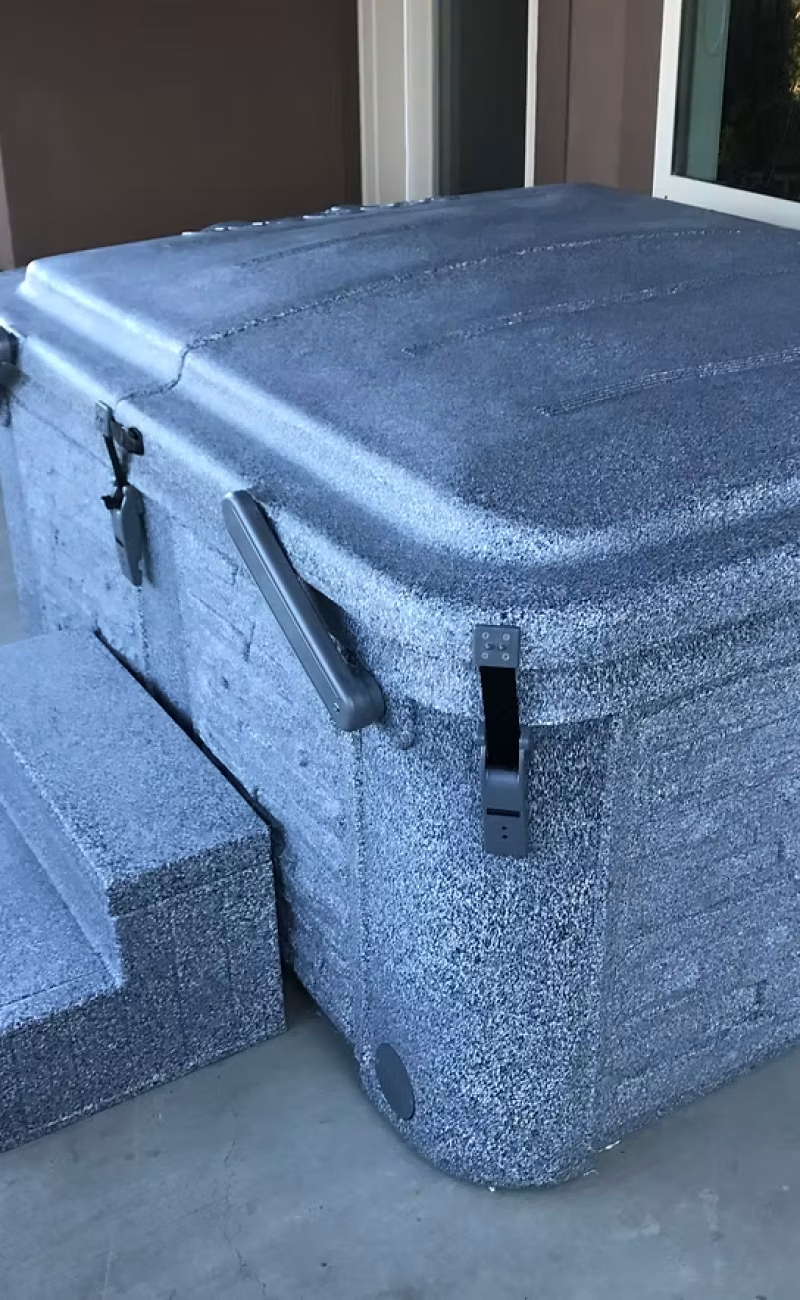
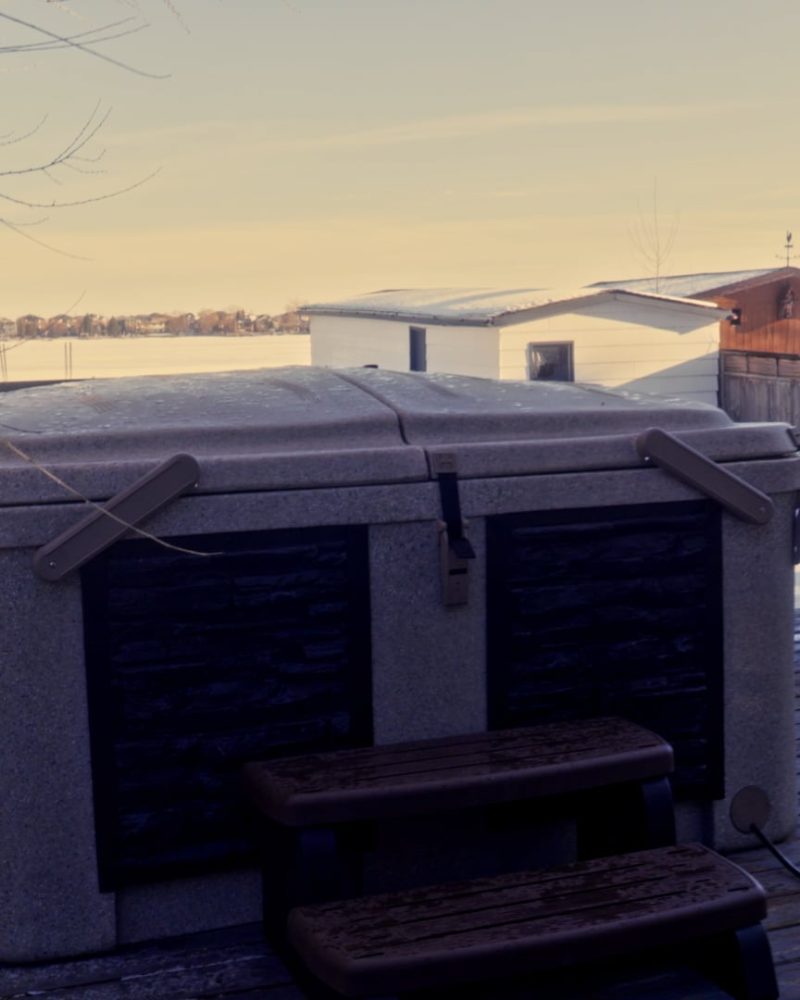
We use a clamp system to tighten the gaskets down to the lid. This is just like a mason jar. If we didn’t do this we just have a really good cover that didn’t absorb moisture and create bacteria.
Why This Matters:
Your hot tub stays tight and secure. No rattling. No loose panels. No maintenance headaches.
No Concrete Needed (Easy Installation)
What Everyone Else Does:
Traditional hot tubs need a concrete pad. Why? Because their shells are brittle and rigid. If the ground shifts even a little bit, the shell can crack.
So you have to:
•Hire a contractor
•Pour concrete
•Wait for it to dry
•Pay thousands of dollars
•Wait weeks
What We Do:
Our HDPE shell is flexible and strong. It can handle minor ground movement without any problem.
You can put it on:
•Your deck
•Your patio
•A gravel pad
•Any level surface
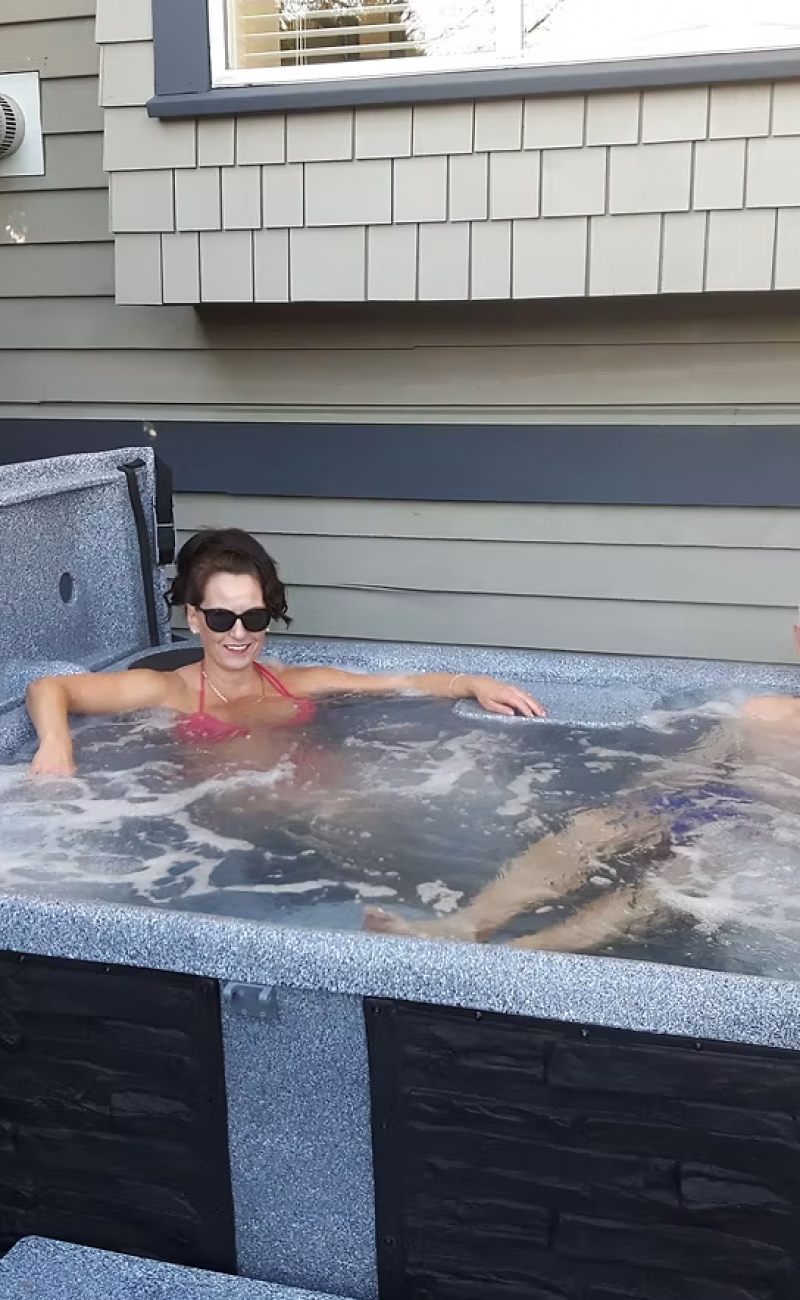
Just place it and plug it in. You’re enjoying your spa the same day it arrives.
Why This Matters:
You save thousands of dollars. You save weeks of time. And if you ever want to move it, you can. It’s not permanently stuck in one spot.
110V or 220V (Your Choice of Power)
What This Means:
110V: Plug it into a regular outlet, like your toaster. No electrician needed. Perfect if you rent or want to move it later.
220V: Needs an electrician to install a special outlet, but heats faster and costs less to run. Better for cold Canadian winters.
Both work great. You choose what fits your situation.

The Bottom Line
Here’s what it comes down to:
Traditional Hot Tubs: Built with materials that create problems. Foam covers that fail. Porous shells that breed bacteria. Weak construction that breaks down. High electricity bills. Endless maintenance. Constant replacements.
Eco Spa: Built with materials that eliminate problems. A solid cover that lasts forever. A smooth shell that stays clean. One-piece construction that’s guaranteed for life. Low electricity bills. Minimal maintenance. No replacements.
It’s really that simple. We’re selling plastic umbrellas while everyone else is still pushing cardboard.
The choice is dead obvious.